
Tips for Creating an Inviting and Functional Home Office Space
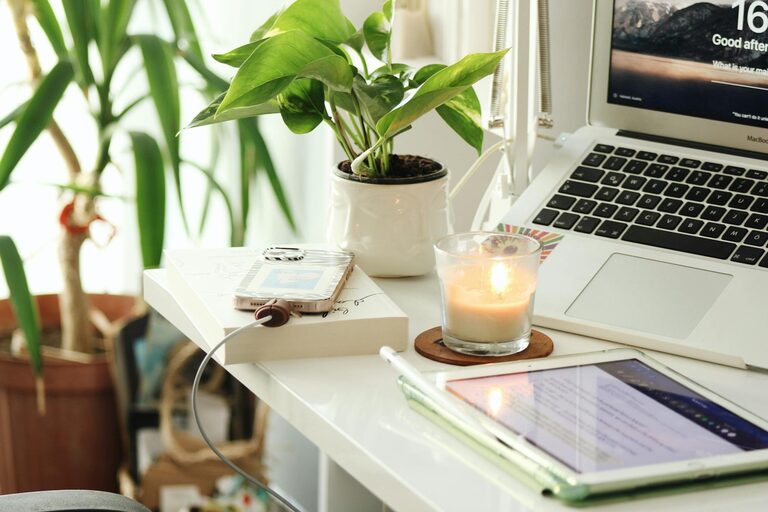
Creating an inviting and functional home office is essential for anyone working remotely or needing a dedicated space for projects, studying, or managing personal tasks. A well-designed home office can improve focus, reduce stress, and make work feel more enjoyable. Here are practical tips to help you set up a workspace that suits your needs while reflecting your personal style.
Choose the Right Location
Select a space that offers enough room for your equipment and allows you to focus without distractions. Whether it’s a spare room, a section of your living room, or a quiet corner, consider the following:
– Natural Light: Position your desk near a window if possible. Natural light helps reduce eye strain and boosts mood.
– Privacy: Ensure the area is quiet and offers some separation from busy parts of the home.
– Ventilation: Fresh air keeps you alert and comfortable throughout long work sessions.
Prioritize Ergonomics
Comfort is the foundation of an effective workspace. Good ergonomics help prevent discomfort and improve productivity.
– Chair: Invest in an adjustable chair with proper lumbar support.
– Desk Height: Use a desk at a comfortable height where your elbows form about a 90-degree angle.
– Monitor Position: Place your monitor at eye level about an arm’s length away to avoid neck and eye strain.
– Keyboard and Mouse: Keep them within easy reach to maintain a neutral wrist position.
Organize for Efficiency
An organized workspace allows you to focus and work more efficiently. Declutter regularly and keep only what you need close by.
– Storage Solutions: Use shelves, drawers, or filing cabinets to keep papers, gadgets, and supplies tidy.
– Cable Management: Invest in cable organizers or clips to prevent tangles and maintain a clean look.
– Workspace Zones: Designate areas for different activities such as computer work, paper tasks, or brainstorming.
Personalize Your Space
A workspace that feels welcoming encourages creativity and reduces stress. Add elements that inspire you without causing distractions.
– Colours: Soft tones promote calm, while vibrant accents can boost energy.
– Plants: Adding greenery improves air quality and adds a touch of nature.
– Art and Photos: Display artwork or personal photos to make the space feel yours.
– Lighting: Supplement natural light with desk lamps or floor lamps that provide warm, adjustable illumination.
Utilize Technology Wisely
Having the right technology can streamline your tasks and improve your workflow.
– Reliable Internet: Ensure your connection is strong and stable, especially for video meetings.
– Quality Equipment: Use a good headset, webcam, and microphone if you participate in online calls.
– Backup Power: Consider an uninterruptible power supply (UPS) to protect your work during outages.
Encourage Movement and Breaks
Sitting for extended periods is not only tiring but can impact your health. Design your office to encourage movement and regular breaks.
– Standing Desk Option: Consider a sit-stand desk to alternate between sitting and standing.
– Space for Stretching: Leave room to stretch or do light exercises during breaks.
– Scheduled Breaks: Use reminders to stand up, stretch, or take short walks.
Maintain a Clear Goal for Your Office
Finally, think about how you want your home office to serve you. Is it a place solely for focused work, or should it also be suitable for virtual meetings or collaboration? Defining this helps you prioritize elements like soundproofing, seating arrangements, and tech setup.
—
By following these tips, you can create a home office space that is both inviting and functional, supporting your productivity and well-being. Remember, your workspace should evolve with your needs—don’t hesitate to make changes as your work habits and preferences change.
Related Post
Tips for Creating a Cozy and Inviting Home Office Space
Discover practical ideas to design a home office that feels comfortable, inspiring, and perfect for [...]

Create the Perfect Cozy Reading Nook at Home: Tips and Ideas
Discover simple and effective tips to design a cozy reading nook that invites relaxation and [...]
Tips for Creating a Cozy and Productive Home Office Space
Discover how to design a home office that combines comfort and efficiency, helping you stay [...]